These are projects proposed. Some will be started early 2026 – Woodland, Ponds and Orchard.
Because the hospital itself will soon be undergoing further major rebuilding the other projects will follow and may be modified
……… and more will evolve !
Woodland @ Nevill Hall
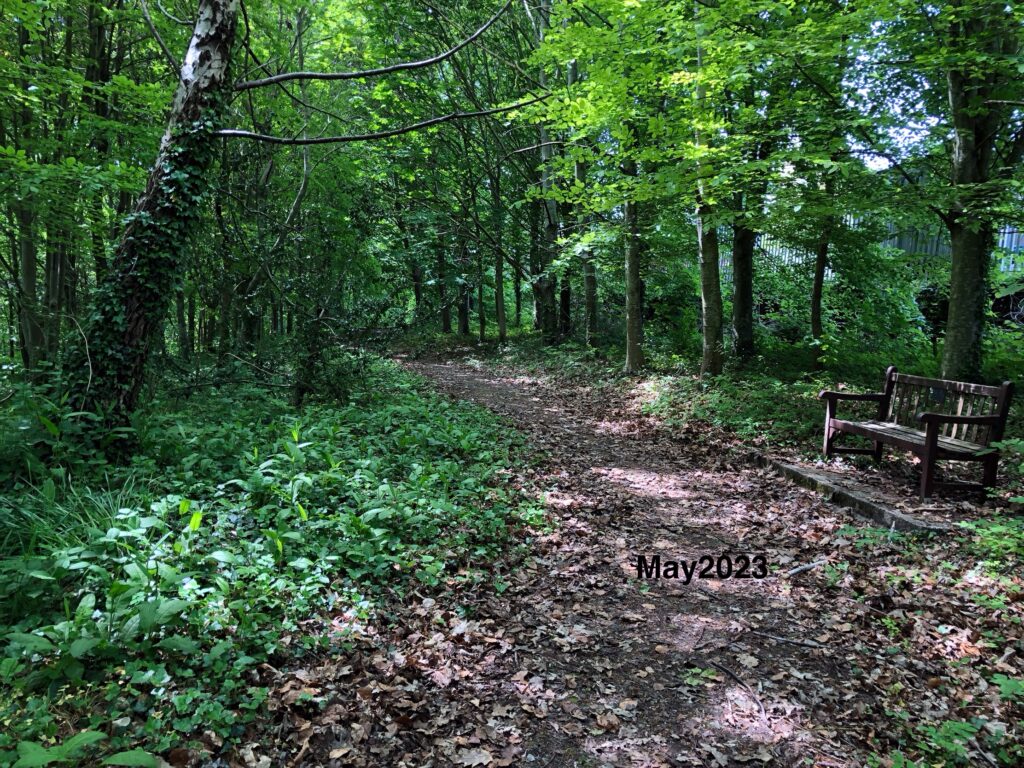
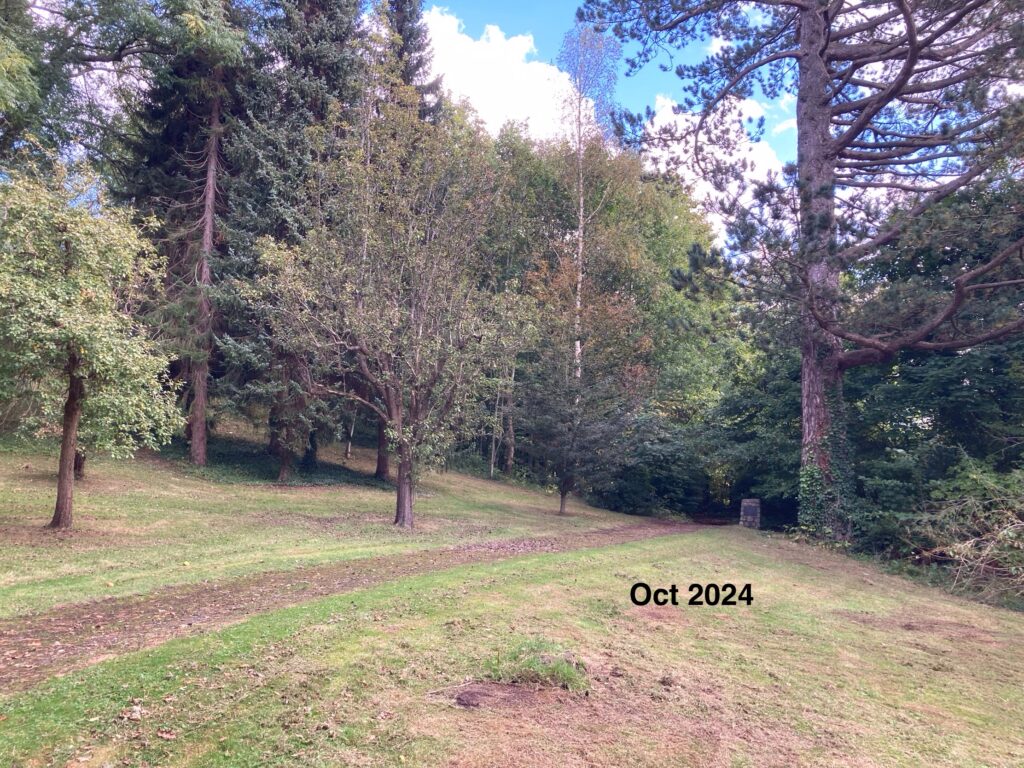
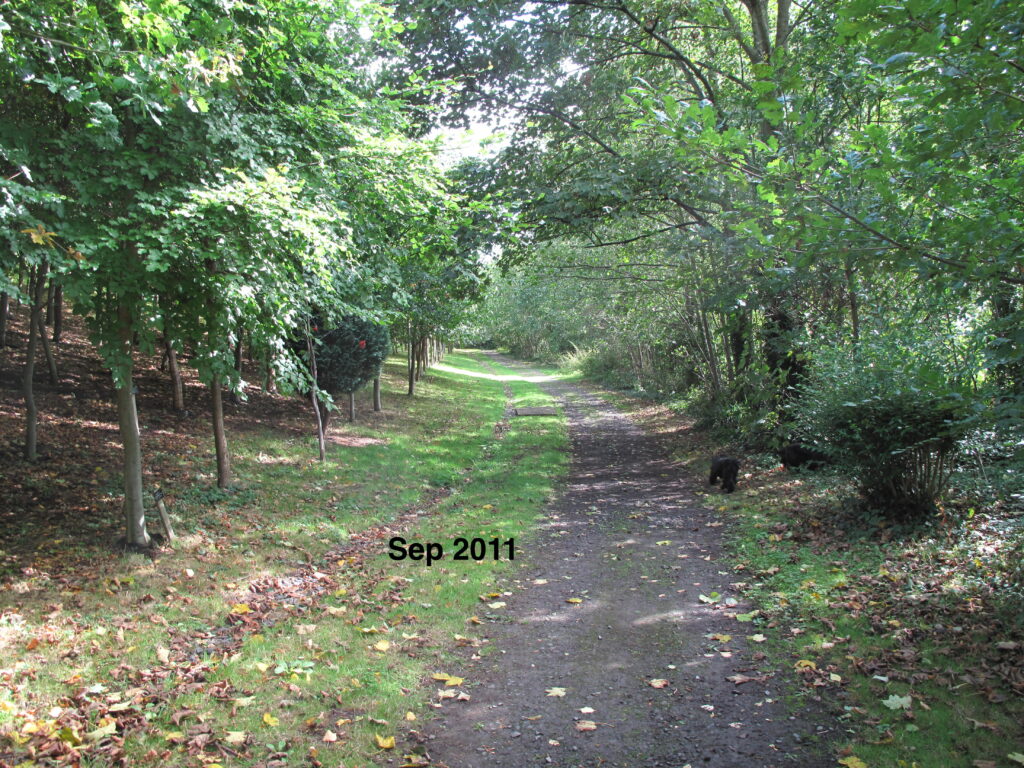
Much of the woodland around Nevill Hall was originally planted in the 19th century, with some trees dating back even further. Changes have occurred due to hospital developments and natural losses, but new trees have also been added, often for commemorations.
The Millenium Project (1998-2001) created a new wood at the eastern end, along with paths that remain incomplete.
Active maintenance of this wood stopped after ten years due to reduced resources, and no formal management currently exists.
Dedicated arboreal stewardship and thoughtful redesign are needed …. and Nevill Hall Nature Spaces can help !
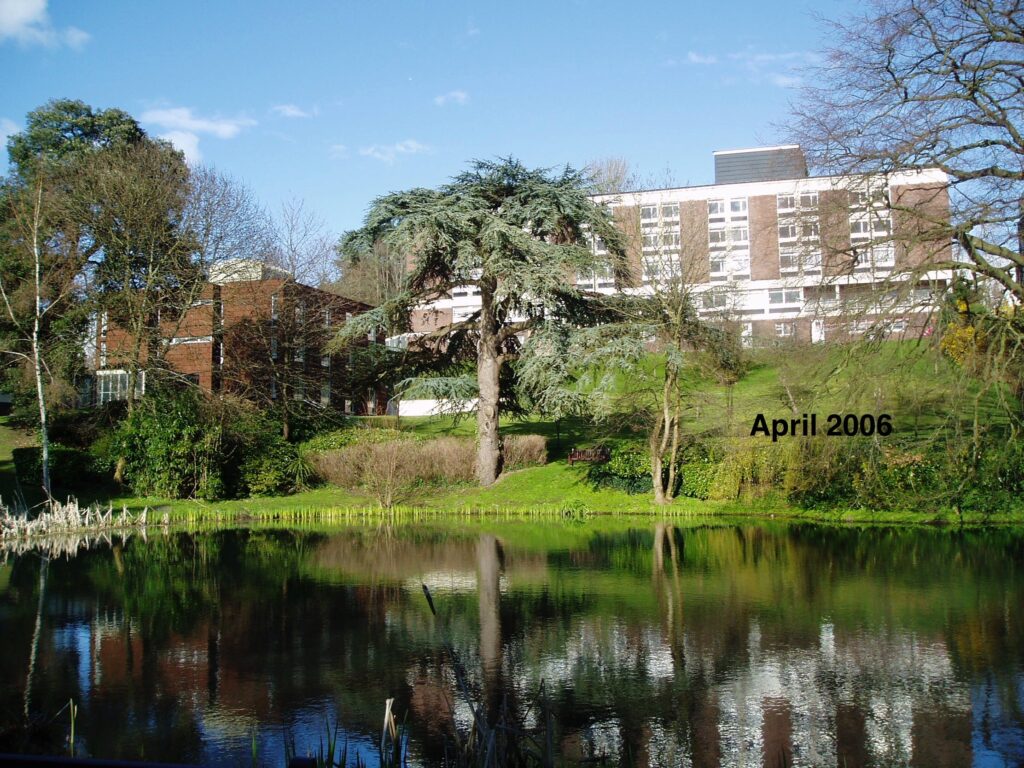
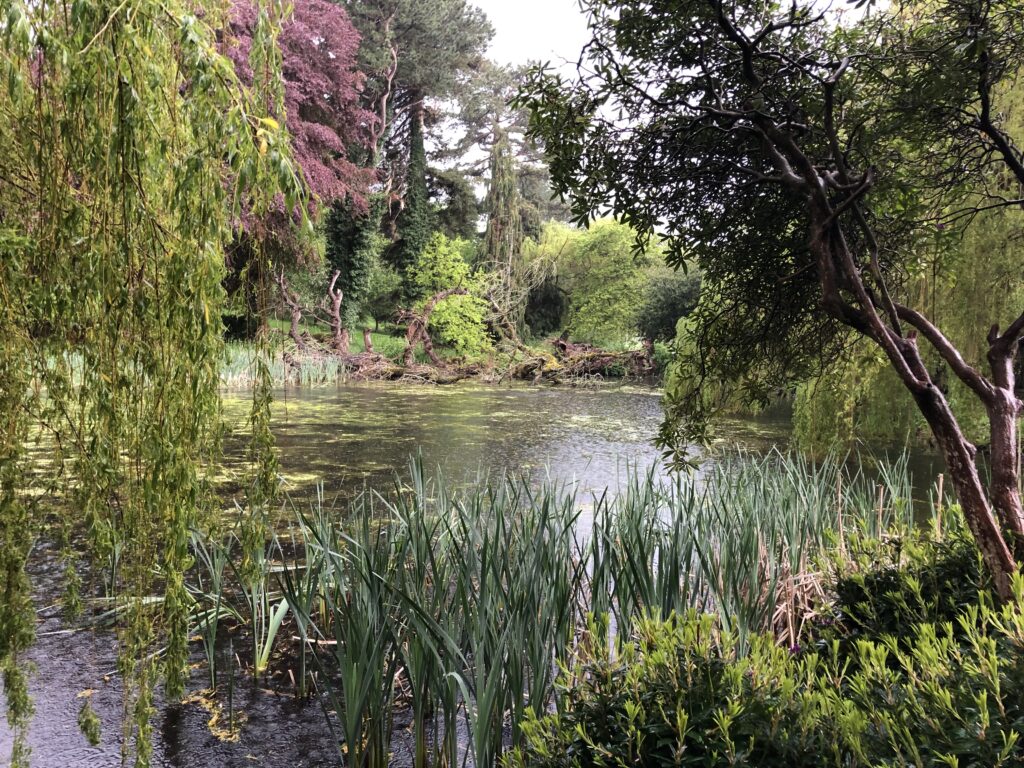
There are two ponds at the hospital: one in the Sensory Garden and a larger pond behind the Hall. The larger pond was modified to be part of the formal gardens of the original mansion. Over time it received regular care but now suffers from poor maintenance and occasional drying, especially in summer.
Despite this, it remains an important habitat for various wildlife, such as birds, insects, and rare water plants, with shelter provided by surrounding trees and the remains of a Black Poplar felled by a storm in 2020.
Both ponds require restoration through silt removal, edge repairs, replanting native species, and improved water management to protect their biodiversity.
Nevill Hall Nature Spaces can play a pivotal role in facilitating this vital work
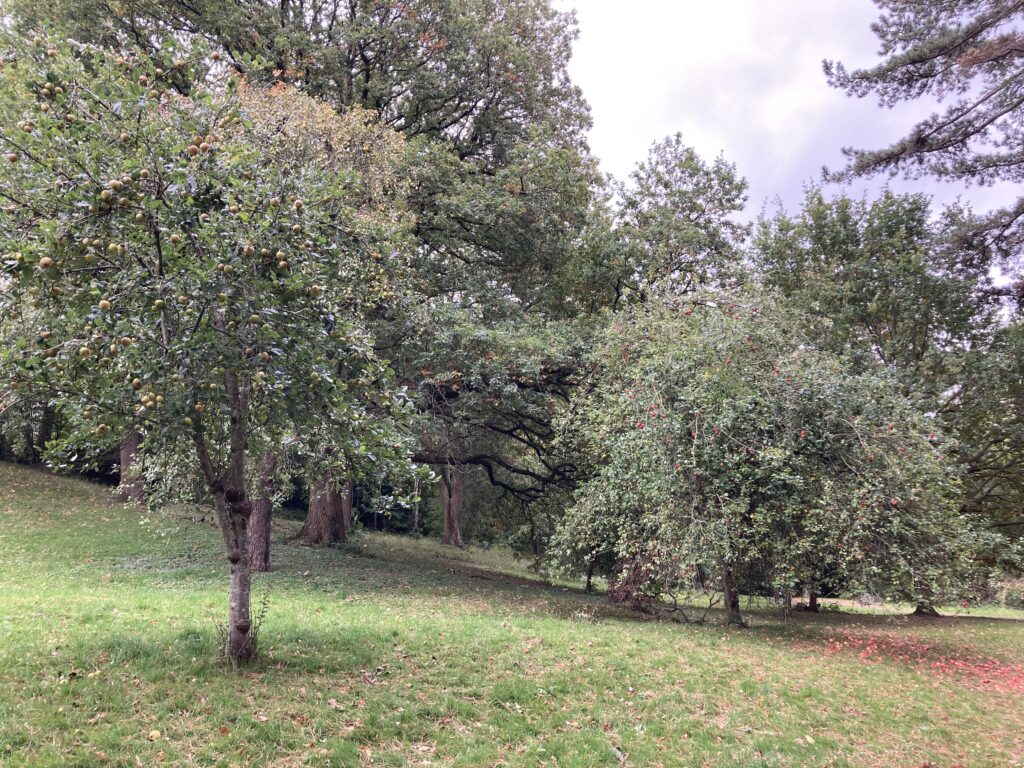
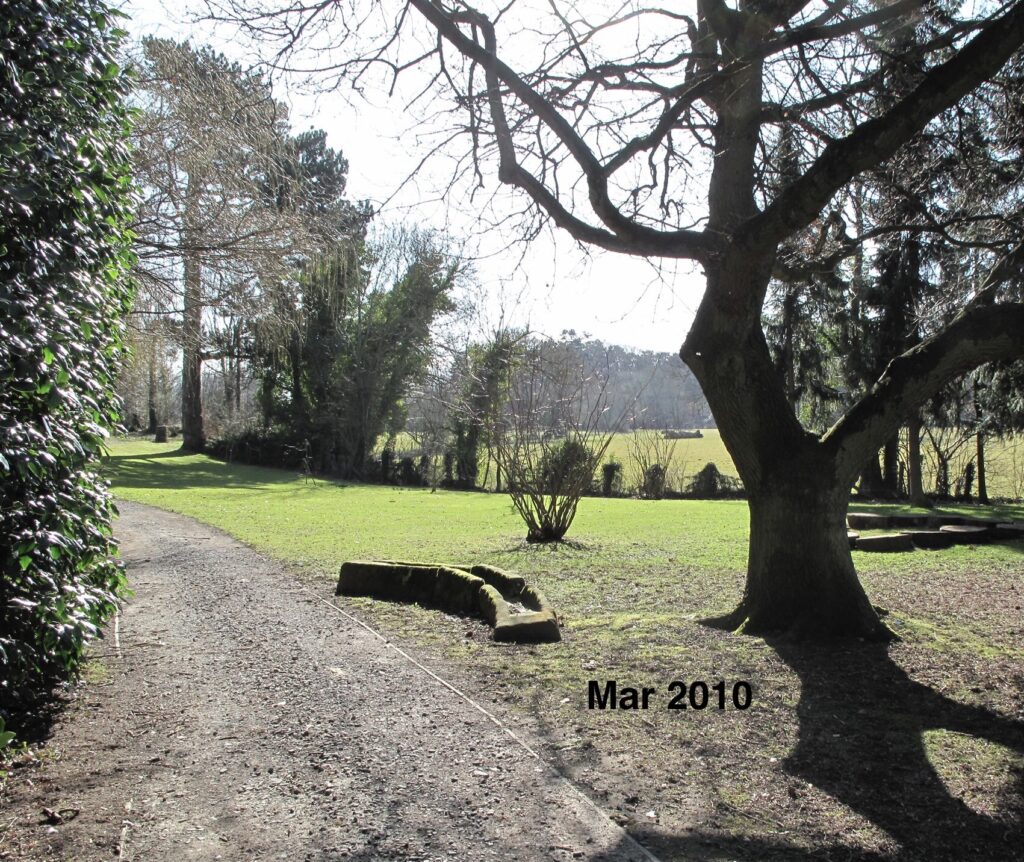
The original orchard at Nevill Hall is believed to have been established during the construction of the mansion in the 19th century. Evidence suggesting the historical use of apples for juicing still exists, most notably in the form of a trough once used to roll a stone for crushing fruit.
Over the years, the orchard has received intermittent maintenance. A significant effort to restore and enhance the orchard came with the Millennium Project in 2000, during which the existing trees were identified and new apple and pear trees—predominantly native Welsh species—were planted.
A comprehensive record of the species present in the orchard has been maintained. The orchard is officially recognised as a Traditional Orchard.
It serves as a valuable refuge for biodiversity and remains a cherished part of the Nevill Hall landscape and Nevill Hall Nature Spaces will ensure continuing care
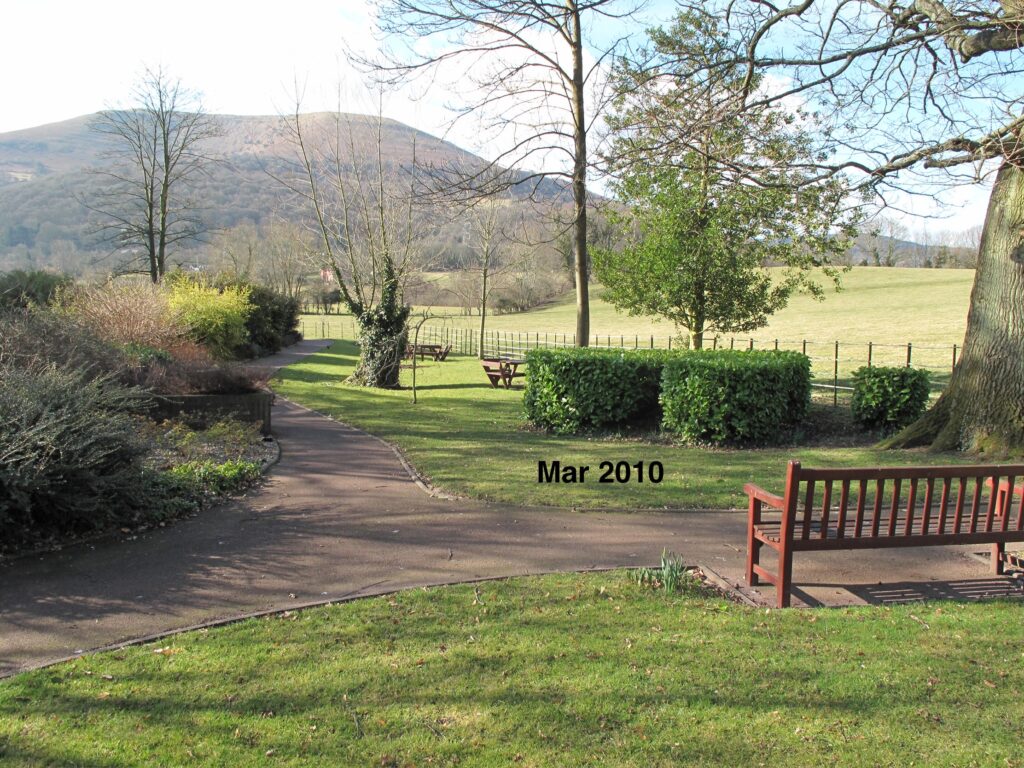
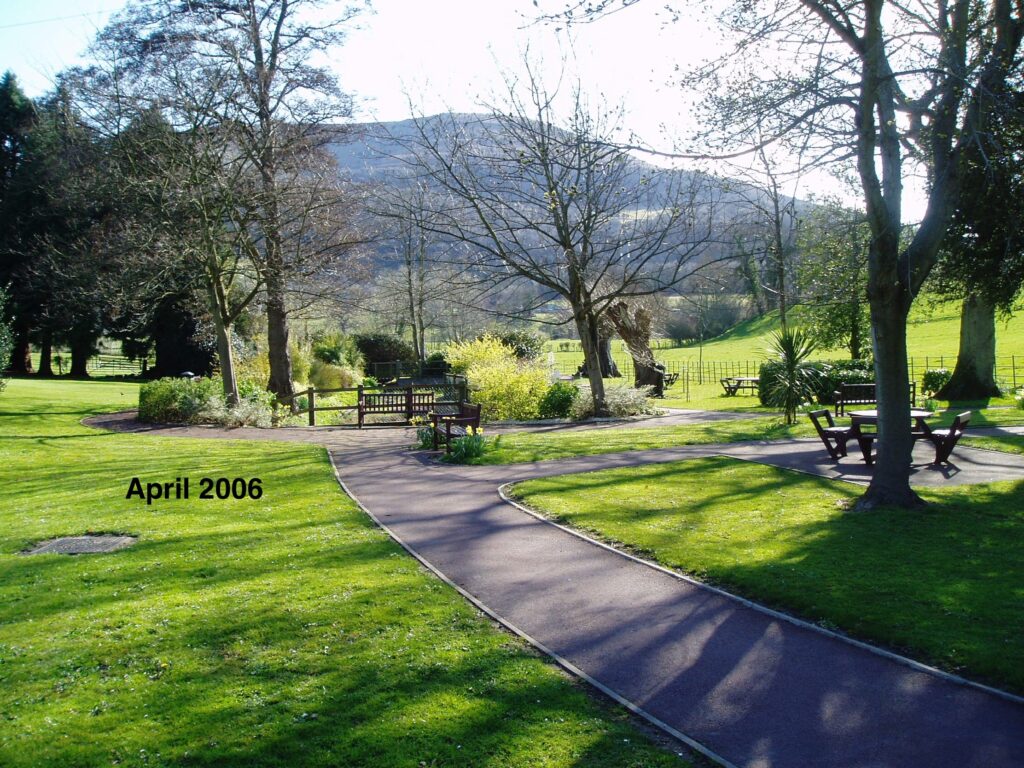
The original “Sensory Garden” was created with input from disabled users for the Millennium Project. It includes red paths for the visually impaired, accessible benches, raised beds, and a pond originally planted with scented plants.
Located in the sunny southwest corner of the hospital, it offers views of the Blorenge and Sugar Loaf mountains.
Once a popular spot for relaxation, it has fallen into disrepair due to neglect and overgrowth.
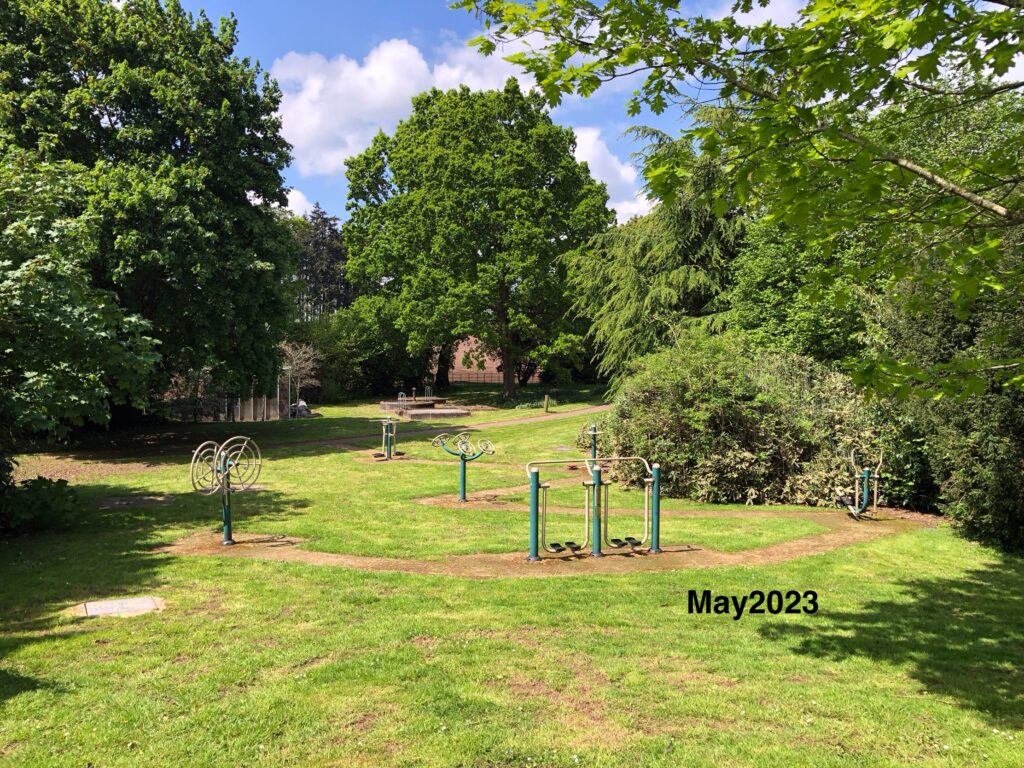
Alongside an exercise area was created. It is now untended but with servicing could well be brought back into use !
Restoration and improved access are needed, but funding is currently unavailable. Nevill Hall Nature Spaces will support this renewal.
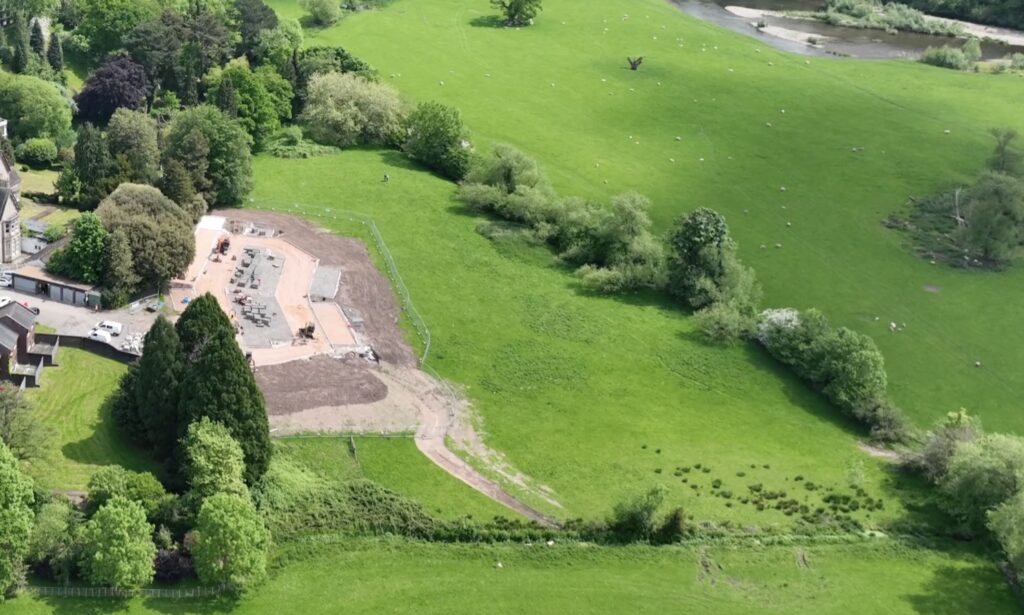
The Red Barn field, next to the new car park and owned by ABUHB, was bought in the early 1990s for a potential hospital site, but this never happened. Recently, it has served as extra parking during hospital construction.
While sheep can still graze, the field could be converted into a wildflower meadow with a winding path, boosting local biodiversity and offering a scenic route for visitors. Its location provides excellent views, and a new path would connect the Woodland and Sensory gardens, encouraging exploration.
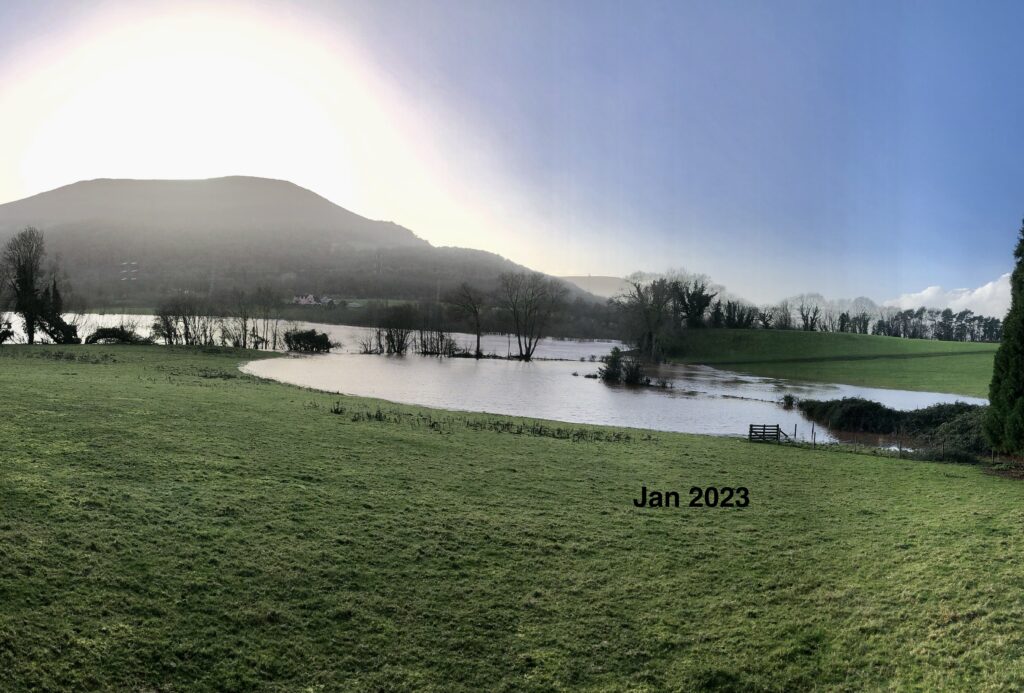
Although flood risk limits development, this proposal would sustainably benefit both wildlife and the community.
The paths within and around the site provide the crucial conduit for people to access the Nature Spaces. Due to the natural constraints and limitations of the site not all parts will be equally accessible for all visitors. Hence, careful thought and planning is required to enhance access, especially for those with limited mobility and wheelchair users.
Consideration must also be given to consistency in design providing a harmonious theme throughout the site.